


On September 15, as Mexico marks its independence and Hispanic Heritage Month begins, the common question of origin takes center stage in Lexington. That day, Casa de la Cultura Hispana de Lexington will host its fourth annual Festival Viva Mexico at CommonSpirit Ballpark, a free public celebration of traditional dance, food, and art that aims to turn a question too often asked out of doubt into an invitation to share pride and story.
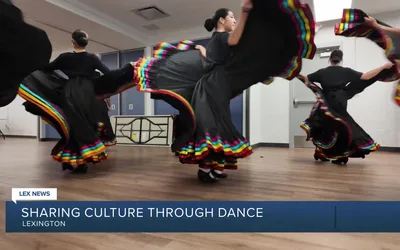
The festival's heart is the Ballet Folklorico, a troupe of dancers ranging from middle schoolers to adults, who have spent weeks rehearsing for the performance. Among them are Karen and Kelly Diaz, twins and students at Leestown Middle School, who have been practicing with a focus that belies their age. "We've just been practicing really, really hard so that on September 15th we can represent our culture and show that we can all dance together," Karen Diaz said. For her, the festival is more than a performance; it is a learning experience. "It's a really fun learning experience to learn about other people's culture and your own culture, even if you aren't Hispanic or Latino," she added. "It's a really great opportunity."
This year marks a milestone for the troupe as it welcomes Paulina Vazquez, an elementary and high school teacher who joins as a Folklorico instructor for the first time. Vazquez explains that the dance is not just movement but storytelling rooted in the vast diversity of Mexico. "We're showcasing our culture and every year we showcase a different state, so what's really important about Mexico of course is that there are tons and tons of influences all over the country," she said. "Every state you find some different types of music, different types of dance. So the cool thing about Folklorico is we're telling a story from our ancestors and from the people that came before us."
That storytelling carries profound weight for the children involved, many of whom are navigating life as the children of immigrants, born in the United States but carrying Mexican heritage. Casa de la Cultura's own mission statement speaks directly to this experience. The organization was created, in its founders' words, to promote Latino culture and encourage the learning and use of the Spanish language through educational and creative programs, because they understood that immigrants cannot keep their native culture and traditions alive for their children on their own. For Vazquez, seeing young people engage with that heritage is deeply moving. "It's just such a gift to be able to bear witness to that, to bear witness to kids experiencing their own culture maybe from a different lens, from an artistic lens," she said. She notes that parents often watch rehearsals with visible emotion as their children connect with traditions from home. "We get to hear the sounds of our people," she said. "We get to do zapateado. We get to talk about the food and all the different influences within each state."
The festival's setting adds another layer of significance. CommonSpirit Ballpark, at 207 Legends Lane, opened on May 9, 2001, and has served as the home of the Lexington Legends baseball team. Built for $13.5 million with a seating capacity of 6,994, the ballpark has been a venue for America's pastime for more than two decades. Hosting Festival Viva Mexico there, for the first time, carries a symbolic resonance: a space typically associated with baseball and American summertime is transformed into a stage for Mexican tradition and community gathering. The ballpark's expansive field and stands offer room for the dances, food vendors, and art displays that the festival celebrates, and its location in the heart of Lexington makes the event accessible to a wide audience.
The festival is a testament to the growth of Casa de la Cultura, which was granted tax-exempt status in December 2015. The organization, which promotes Hispanic arts and culture, also offers year-round mariachi classes and performances and hosts an annual Mother's Day festival. Its work extends beyond performance into community building; in 2026, Casa de la Cultura received a Garden Grant from Grow Appalachia to launch a gardening project called Entre Plantas y Cultura, which offers free gardening support and workshops on topics like urban garden design, organic gardening, healthy cooking, and food conservation. That program grew out of a seed and plant swap held at the Marksbury Branch Library, where participants exchanged seeds and knowledge about medicinal herbs and cultural practices, connecting food to heritage.
For the Diaz twins, the hope for the festival is simple and heartfelt. "Everyone enjoys the show and everyone joins in and feels the same pride as we do," Karen Diaz said. That pride is the festival's true purpose: to create a space where the question "Where are you from?" is answered not with hesitation or shame, but with the zapateado of dancing feet, the aroma of traditional food, and the vibrant colors of folkloric dresses. On September 15, at CommonSpirit Ballpark, Lexington's Mexican community and its neighbors will come together to celebrate a history of resilience, artistry, and the stories carried by every dancer, every song, and every dish.
For those who cannot attend, Casa de la Cultura continues to offer ways to engage with Hispanic culture throughout the year. The festival is but one expression of an organization dedicated to ensuring that cultural heritage is not lost but embraced, not hidden but celebrated. On the day Mexico remembers the Grito de Dolores and the start of its war of independence, Lexington answers with a resounding Viva Mexico.