


Every September, the unmistakable aroma of roasting green chile drifts across Albuquerque's east side, and New Mexicans know the State Fair has arrived. This year, the fair is shifting into high gear for a milestone that reaches far beyond the midway: the 2026 edition, running Thursday, September 10, through Sunday, September 20, celebrates the 100th anniversary of Historic Route 66.
The fair's connection to Route 66 is not a marketing gimmick; it is woven into the event's very geography. The fairgrounds sit on Central Avenue, the stretch of the legendary highway that cuts through Albuquerque, and the fair has been a fixture along that corridor for nearly a century. In fact, as Albuquerque Museum head curator Alicia Romero notes in a companion exhibition now on view, the fair has essentially always been on Route 66 "by whatever name it was known." In its earliest days, when it was still the Territorial Fair, it was located on what is now Central and Rio Grande, and a photograph of the 1892 Territorial Fair parade shows the procession traveling along a dirt road that would later become the famous highway.
That history runs deep. The fair was first held in October 1881, thirty-one years before New Mexico became a state, under the direction of Elias S. Stover. Originally called the territorial fair, it was renamed a state fair in 1911 in anticipation of statehood. The original grounds, known as Traction Park, sat southwest of Old Town Plaza and were promoted by the Albuquerque streetcar company to boost ridership on its line. The fair was canceled in 1917, replaced by a "great patriotic demonstration" marking the U.S. entry into World War I, and it went dark for years afterward.
The modern fair was reborn in 1938 at its current location, on grounds built between 1936 and 1938 with Works Progress Administration funding secured in part through the efforts of Governor Clyde Tingley. Leon Harms, who had founded the Marion County Fair in Kansas, laid out the grounds and managed the fair from its inception until 1958. That first 1938 fair drew about 64,000 visitors; by the 1960s, attendance had grown past 500,000 a year, and the grounds boasted 83 structures of varying sizes. The fair was originally held in October but was moved up to mid-September in 1960 in hopes of better weather. World War II interrupted the run from 1942 to 1944, and the fair was canceled again in 2020 because of the COVID-19 pandemic, reopening the following year under strict restrictions before attendance rebounded to roughly 475,000 in 2022.
Today the fair calls the 210-acre Expo New Mexico home, a name adopted in 2003 for the grounds that still hold several of the original WPA-era adobe buildings, including the Agricultural Building, the Fine Arts Building, the Horse Barn, and the Cattle Barn. The 11,800-seat Tingley Coliseum, which opened in 1957, anchors the entertainment lineup, and the grounds are also home to one of New Mexico's Merci Train boxcars, a gift from France in 1949.
For 2026, organizers have packed the 11-day run with both beloved traditions and brand-new attractions. New this year is Dino Encounters, where visitors can meet and learn about five different dinosaurs — "something that's never been here in New Mexico," Mourning said. The fair is also hosting a film festival featuring work by filmmakers from New Mexico State University and the University of New Mexico in a showcase that will become a competition next year.
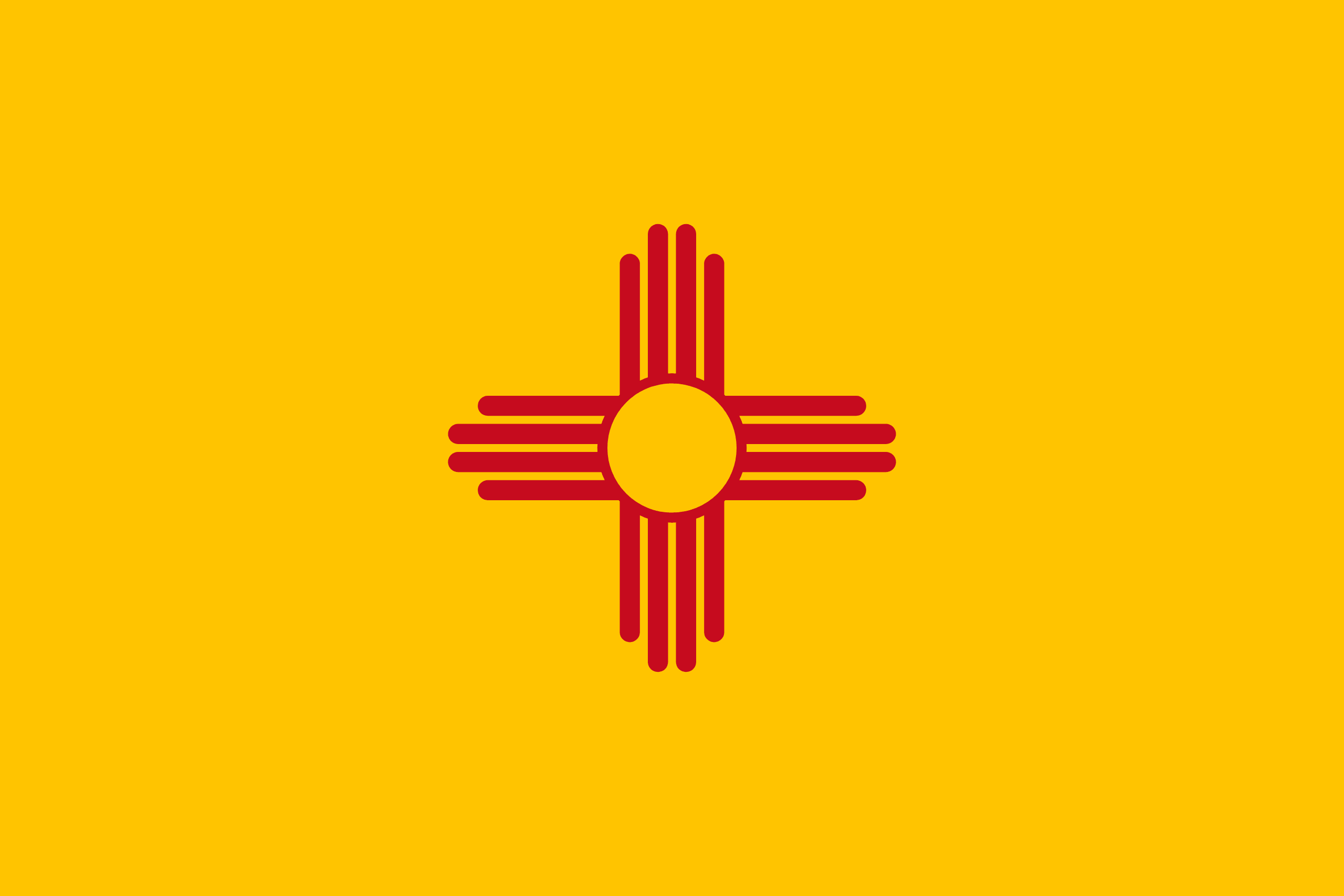
Eventgoers can get flash tattoos at the Manuel Lujan Jr. Building in partnership with True Grit Tattoo. Tattoo artist Brandon Burke said the designs are "state fair-based or New Mexico-based," including chile ristras, clowns, and Zia symbols, ranging in price and up to about five inches. "We just wanted to do something that's going to represent the community," Burke said.
Food remains the heart of the fair, from the Green Chile Cheeseburger Challenge to the unique foods category, which includes imaginative culinary creations. This year's new offerings include a Blue Taki Pickle Pizza from R&J Concessions, a Mac and Cheese Churro Bowl from Maxima Churro Bowl, and Cookies n Crème Churros.
For those who want to understand the fair's long arc, the Albuquerque Museum's exhibition "Fun at the State Fair!" traces 145 years of fair traditions, from parades to quilts to rodeos, and runs through February 14, 2027. It includes a king-sized quilt made collaboratively by 16 members of the New Mexico Quilters Association, a vintage 1950 saddle, leather chaps from around 1900, and portraits of ordinary fairgoers from The Photo Shop, a studio that has operated for over 80 years. Romero, who has performed baile folklórico at the fair since she was ten, sees the fair as a source of cultural continuity across generations.