


For one weekend each September, the Gig Harbor Open Studio Tour dissolves the boundary between maker and audience, throwing open the doors of 23 working studios across the Key Peninsula and inviting anyone to walk in, look around, ask questions, and watch the work happen in real time.
The 2026 edition runs September 18 through 20 from 10 a.m. to 5 p.m. each day, featuring 57 juried artists working in a range of mediums, including ceramics, sculpture, painting, jewelry, glass, fiber, and woodworking. The studios are scattered across Gig Harbor, Fox Island, Olalla, and Port Orchard—a stretch of waterfront towns tucked into the forests on the west side of Puget Sound—and visitors are invited to self-guide their way from one working space to the next, following a downloadable map that turns the whole peninsula into a sprawling, open-air gallery.
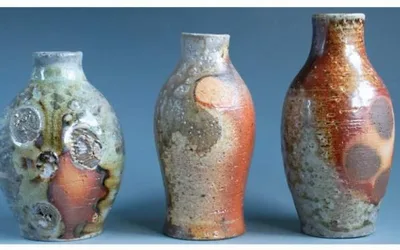
What makes this event unusual is not just the scale, though 57 artists in one weekend is no small operation. It is the access. This is not a curated exhibition where finished pieces hang in pristine white rooms. These are working studios—places where clay dust actually coats the floor, where kilns are still cooling from the night before, where half-finished sculptures stand on workbenches waiting for the next gesture. The artists are there not just to sell, but to demonstrate: to explain what inspires them, how they use their materials, what their tools do, why a glaze turned out that way, how many attempts it took to get a piece of glass to hold its shape. For visitors, it is a rare chance to see the process, not just the product.
The tradition runs deep. The Gig Harbor Open Studio Tour continues a format established in 1993, when a group of area artists first opened their studios to the public. Since then, the tour has operated as a juried showcase: artists apply to participate and are selected through a review process, ensuring a consistently high caliber of work while also supporting emerging and established makers alike. The tour is organized in conjunction with the Peninsula Art League, the region's longtime hub for painters, sculptors, ceramicists, and art lovers, which also runs the annual Summer Art Festival at Sehmel Homestead Park. The studio tour, though, is something else entirely: smaller, more intimate, more concentrated on the moment of making.
The geography of the tour tells its own story. Gig Harbor itself is a working waterfront town that has slowly, organically become a magnet for artists—people drawn by the light off the harbor, the proximity of forest and water, the slower rhythms of peninsula life. The studios on the tour reflect that. Visitors driving between studios pass working marinas, farmstands, and steep wooded roads—the same landscape that shows up, transformed, in the art on the shelves and walls inside.
For those who want to make a proper weekend of it, the tour organizers encourage visitors to stay over: the charming downtown waterfront walk, the hotels and bed-and-breakfasts, the restaurants, wineries, and breweries that have grown up alongside the artist community. But the studios themselves are the draw, and the tour is deliberately free—no admission, no ticket, no barrier to entry. Just a map, an open door, and an invitation to see what happens when a person with a vision and a set of tools gets to work.
The 2026 tour also carries a practical note for visitors: portable restrooms are available at two marked studios, a small reminder that these are real working spaces in real homes and barns, not purpose-built exhibition halls. The artists are hosting strangers in their private workshops, and they are doing it gladly, year after year, because the exchange matters to them. Someone who came last year just to browse might be back this year with a commission in mind. Someone who has never held a brush might leave understanding why a watercolor takes patience, or why wood turning requires a steady hand and a clear eye.
That is the quiet magic of the Gig Harbor Open Studio Tour. It has been running, in one form or another, for more than three decades now—long enough to have become part of the peninsula's seasonal rhythm, the way the September salmon runs or the first autumn rains are. The artists change, the mediums shift, the tour grows and shrinks with the year. But the core idea holds: that art is something people make, in particular places, with particular hands, and that showing that process to a stranger is its own kind of gift.